Grab bars, handrails, trip hazards, lighting and thresholds: what a handyman can do, and what needs an occupational therapist or licensed contractor.
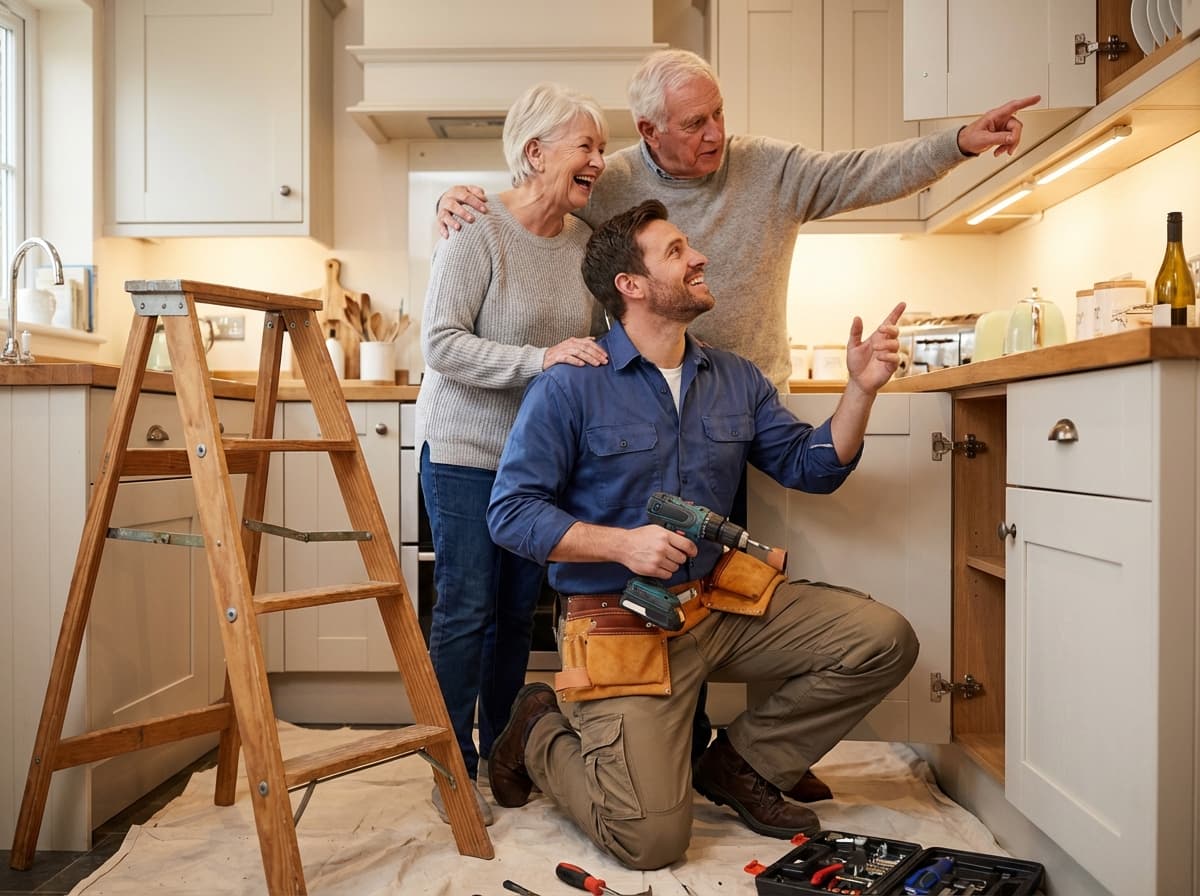
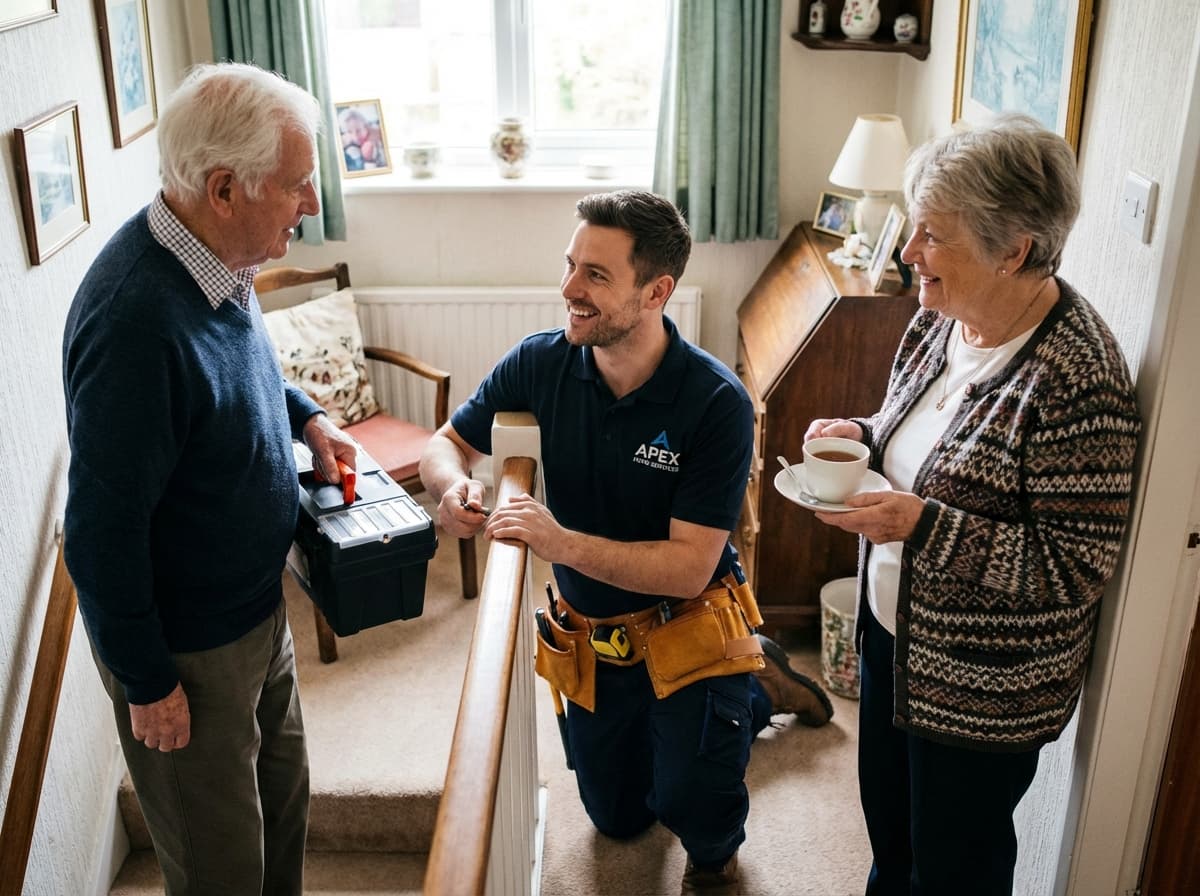
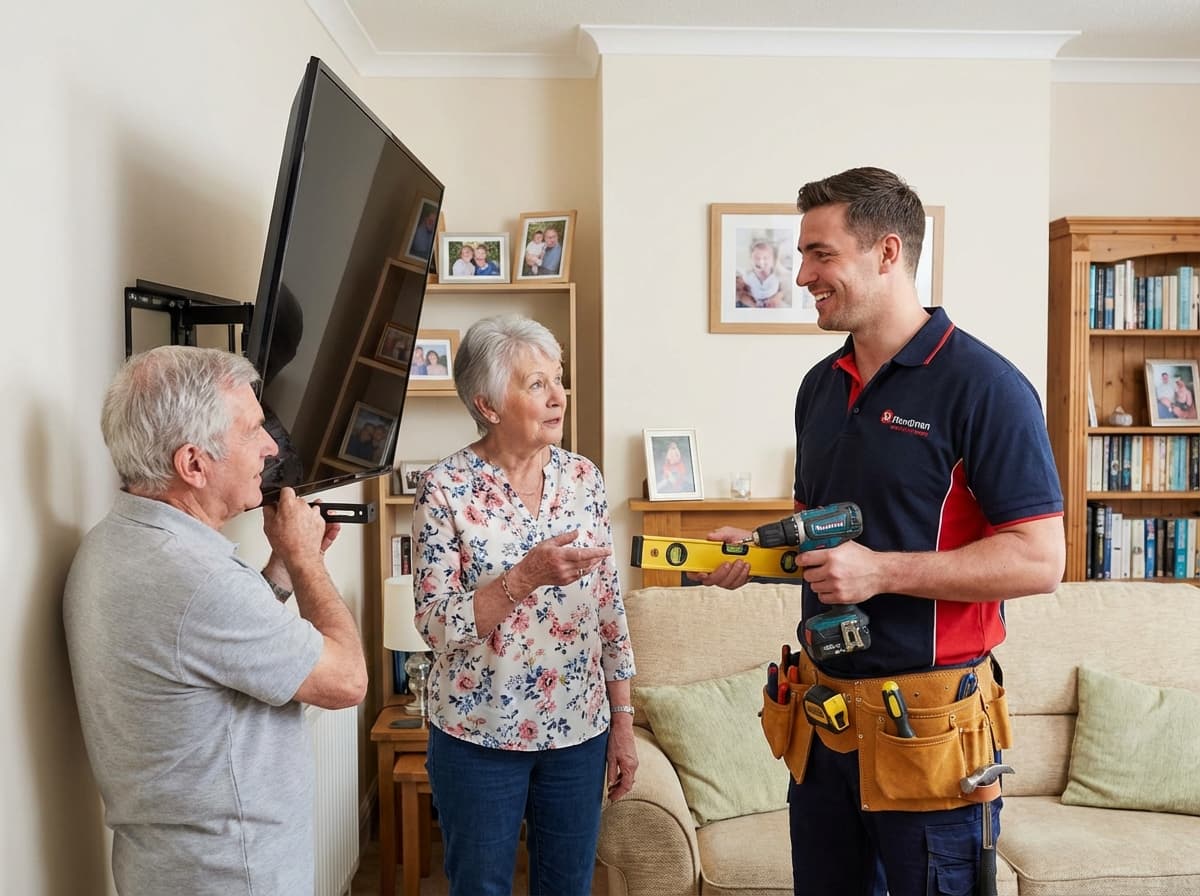
A handyman can fix many of the everyday hazards that cause falls: loose handrails, wobbly steps, curled thresholds, dim hallways, and grab bars screwed into studs. Wiring, plumbing changes and structural work go to licensed contractors. Questions about what one person needs go to an occupational therapist or doctor, not to a handyman.
Where should you start?
Walk the house room by room. The National Institute on Aging says to go through your home room by room and fix immediate dangers first, such as loose stair railings and poor lighting. It also says you may not need every change on a list, and that you should recheck as needs change.
The CDC's Check for Safety home fall prevention checklist is a good room-by-room worksheet. Print it, mark the items that apply, and send us the marked copy.
AARP suggests starting small: begin with the rooms used most and the task that is hardest right now, such as the stairs or reaching high shelves.
Which jobs can a handyman do?
These are typical handyman tasks that match items on the CDC and AARP lists:
- Handrails. The CDC checklist says to fix loose or broken handrails, and to have handrails on both sides of the stairs, as long as the stairs. A handyman can re-anchor a loose rail or add a rail on a second side.
- Steps and treads. The CDC says to fix loose or uneven steps and to attach stair carpet firmly or replace it with non-slip treads.
- Rugs and cords. The CDC says to remove throw rugs or use double-sided tape or a non-slip backing, and to coil or tape cords along the wall. AARP adds that cords should stay out of pathways but never go under rugs.
- Thresholds. Raised or curled door thresholds are common trip points. Lowering, replacing or tapering one is carpentry work. The sources above do not give a threshold height, so ask your occupational therapist what is right for the person using the door.
- Grab bars. The CDC says to have grab bars installed next to and inside the tub and next to the toilet. AARP's HomeFit guide says a grab bar should be fastened to a wall surface backed by a stud, that suction-cup bars are not a safe substitute, and that a towel bar is not a grab bar. If there is no stud where the bar needs to go, the wall may need blocking added first, which can mean opening the wall.
- Lighting you can reach. Swapping bulbs, adding nightlights on the path from bed to bathroom, and placing a lamp within reach of the bed are all on the CDC list. AARP also lists easy-access light switches at room entrances.
- Hardware. AARP lists lever-style door handles and faucets for stiff hands or arthritis.
- Bathroom floor. The CDC suggests non-slip rubber mats or self-stick strips in the tub or shower. AARP says slip-resistant strips are more effective than mats.
What needs a licensed contractor?
The CDC checklist says to have an electrician put in an overhead light and light switch at the top and bottom of stairs, and to have an electrician add an outlet if cords cross a walkway. Those are electrical jobs. In Illinois, electrical, plumbing and roofing work goes to licensed independent contractors, not to us. See Handyman vs. licensed contractor in Illinois.
Moving walls, widening doorways, building ramps, installing stair lifts and changing plumbing for a curbless shower are also contractor or specialist jobs. A permit may apply. See which repairs need a permit in North Shore towns.
When should you involve an occupational therapist?
Bring one in when the question is "what does this person need" rather than "what is broken." AARP's HomeFit guide says an occupational therapist can assess how a person and their home fit together and recommend changes, and can work with a home improvement contractor on a plan. Doctors and case managers can refer you to one.
Enhaus does not offer aging-in-place certification or medical advice. We install what you or your therapist specify, and we flag what we see.
What should you send us before a visit?
- The marked-up CDC checklist, or a plain list by room
- Photos of stairs, rails, bathroom walls and thresholds
- Notes from the occupational therapist, if there is one, including bar locations and any measurements they gave you
FAQ
Is a suction-cup grab bar okay as a temporary fix?
AARP's HomeFit guide says grab bars attached with suction cups are not safe or suitable substitutes. Wait for a stud-mounted bar.
Can you install a grab bar anywhere in the bathroom?
Only where the wall can hold it. AARP says the bar should be fastened to a surface backed by a stud. Where there is no stud, the wall may need reinforcement first.
Do you wire stair lights?
No. The CDC says to have an electrician do that. We can hand off to a licensed electrician and handle the carpentry and patching around it.
Who decides which changes someone needs?
A doctor or occupational therapist, based on the person. NIA also notes you may not need every change on a general list.
To send your list and photos, call or text (847) 877-1877.